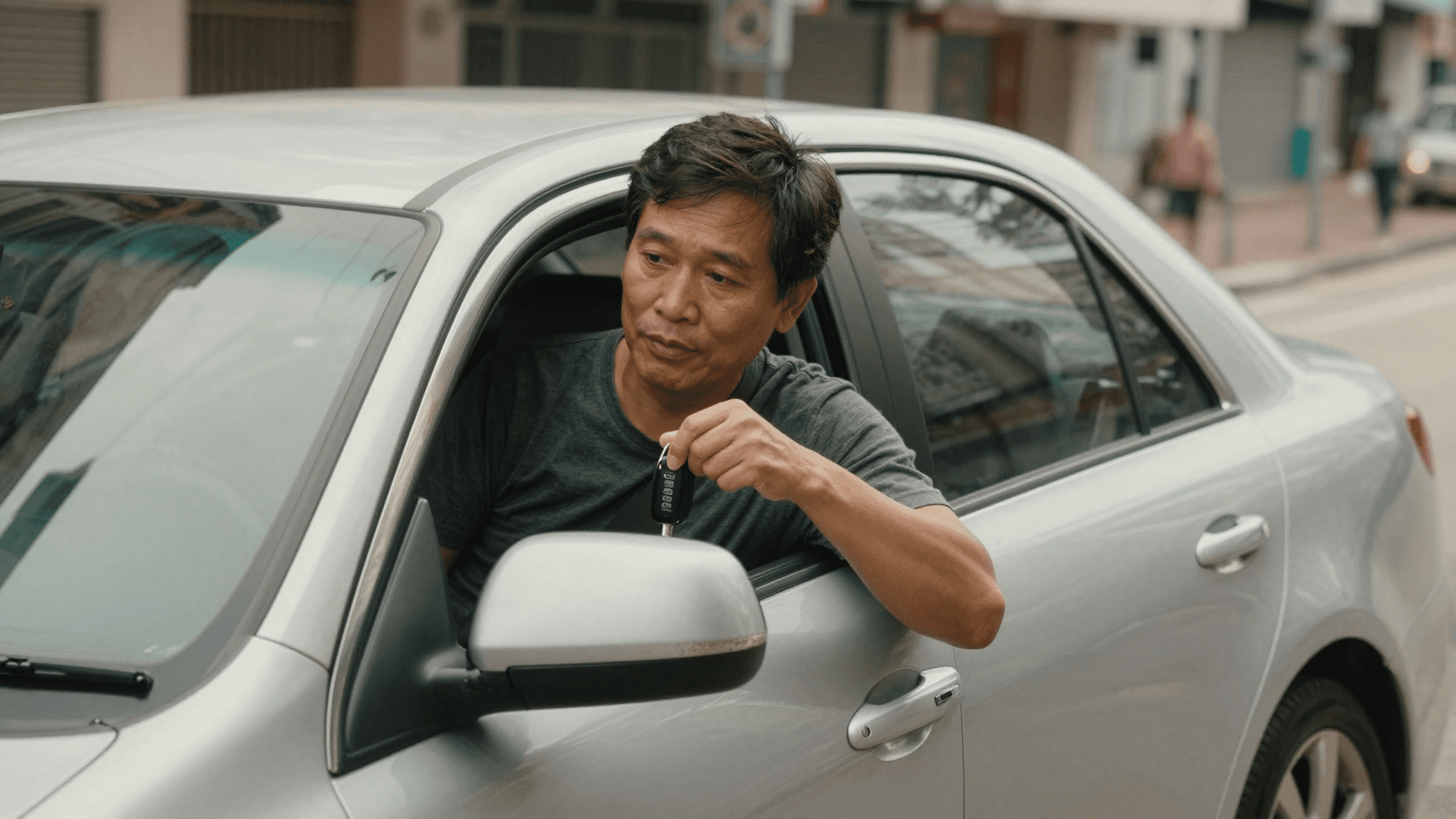
Suppose you are on the highway when a stone flicks up from the lorry ahead and leaves a crack across your windscreen. The car still drives, but now you are wondering whether your insurance will pay.
Whether motor insurance pays for your own windscreen mainly depends on whether you have comprehensive cover. Third party only cover pays other people, not your glass.
Your no claim discount (NCD) is the harder question. One insurer's leaflet says a windscreen fixed through its appointed repairer will not reduce or cancel your NCD. The same insurer's policy wording says a claim under any section can cancel or reduce it.
The two documents do not match, so ask your insurer for a written answer before you claim.
Where this article says "one insurer", it means one company's wording. Yours may differ, so check your own policy.
Which type of motor insurance covers a windscreen?
It depends on the type of cover printed on your schedule, the first pages of the policy listing what you bought and for how much.
Type of cover | Your own windscreen |
|---|---|
Comprehensive | Covers damage to your own car. One insurer adds a free windscreen benefit, for comprehensive only |
Third party fire and theft | Own damage only if caused directly by fire, self-ignition, lightning, explosion, theft or attempted theft. The free windscreen benefit does not apply |
Third party only | Covers your legal liability to others. Nothing for your own car, glass included |
Not every insurer offers third party fire and theft. If a thief smashes a window to steal from the car, the wording does not spell out whether the glass counts as damage caused directly by theft, so ask.
Many drivers assume any motor policy covers glass. The Motor Vehicles Insurance (Third Party Risks) Ordinance only makes cover compulsory for death or bodily injury to other people. Damage to your own car is outside the compulsory part.
How does comprehensive cover pay for a windscreen?
One insurer's comprehensive cover has a free windscreen benefit. The condition is that the windscreen is repaired or replaced by a windscreen repairer the insurer appoints. If that is met, you do not pay the own damage excess.
The excess is the part of each claim you pay yourself. The wording says this benefit switches off the excess under Section 1, the part of the policy covering damage to your own car.
The benefit refers only to the front windscreen. Side windows, sunroofs and mirror glass have no clause of their own, so whether they count as ordinary own damage depends on the case.
The Chinese and English versions of that wording phrase the condition differently, and the policy says the English version prevails. If other parts of the car are damaged too, ask whether the excess waiver still applies.
On the same insurer's website, you pick a garage from its network and the garage checks your cover. It may ask to see your identity card, driving licence, the car's registration document and your policy number. You then choose original or non-original glass.
That route is cashless, but repair costs above the policy limit are yours. The wording gives no dollar figure for this benefit and only says extra benefits are subject to specified limits, so ask what your limit is.
Another insurer's older wording works differently. Side by side:
Compare | One insurer's comprehensive cover | Another insurer's older wording |
|---|---|---|
Which glass | Front windscreen | Windscreen or windows |
Condition | Repaired or replaced by the insurer's appointed windscreen repairer | Glass accidentally broken, with no other damage to the car |
Excess | Own damage excess does not apply if the condition is met | Leaflet says no excess; the wording itself is silent |
Limit | No figure in the wording; you pay above the policy limit | HK$5,000 in total per period of insurance |
NCD | Leaflet and wording differ (see below) | Wording says the payment does not count against your NCD |
Cover type | Comprehensive only | Comprehensive only |
That older wording treats breakage as physical damage to the glass. Cosmetic damage and manufacturing defects are not included.
The HK$5,000 is a combined limit for the whole period. Suppose two repairs in one period each cost HK$3,000, a figure used only to show the sum, and both meet the conditions. That is HK$6,000; the policy pays at most HK$5,000 and you pay HK$1,000.
Will a windscreen claim affect your NCD?
It depends on how your insurer handles it, because one insurer's own documents say two different things. The NCD is the discount you earn at renewal for a claim-free policy.
Document | What it says |
|---|---|
Leaflet | Repairing or replacing the windscreen through the appointed repairer will not reduce or cancel your NCD, and is cashless with no excess |
Policy wording | A claim under any part of the policy cancels or reduces your NCD, whether or not you were at fault |
The wording has one exception: evidence that a Hong Kong court convicted the other driver, plus a signed confirmation letter. Separately, the same insurer's comprehensive cover has NCD protection: it keeps the discount if the year's claims, after excess, total no more than HK$50,000.
The windscreen clause in that wording only switches off the excess. It says nothing about the NCD. The insurer's website also says the service is provided according to the customer's plan and policy terms.
So a leaflet saying your NCD is safe is not a guarantee. Before you claim, call the insurer and ask for the answer by email or letter. Its windscreen claim form lists an NCD enquiry hotline.
That insurer's comprehensive cover also has NCD protection. If all claims in the policy year total no more than HK$50,000 after excess, you keep your NCD at renewal. It stops applying if the discount moves to another insurer.
The other insurer's older wording says windscreen payments do not count against the NCD.
Not sure how your own policy reads? Send us your schedule and a photo of the windscreen on WhatsApp and we will go through it with you.
What do you need before you claim?
One insurer's windscreen claim form is marked for comprehensive cover only. It asks for:
Colour photos of the damaged car and windscreen, before and after replacement, showing the registration plate
A colour copy of the receipt for the windscreen repair or replacement
The form says to submit the claim as soon as possible after the car is repaired. The website order is: book the repair or replacement, wait for confirmation, then go to a network garage.
So the first job is photos. Once the glass has been replaced, the before shots are gone for good.
What if it is handled as ordinary own damage?
The wording does not list which glass damage falls outside the free windscreen benefit and becomes an ordinary Section 1 claim, so ask your insurer. If it does, one insurer's wording sets these rules.
The excess is deducted. The most it pays is the lower of the car's reasonable market value and the estimated value on your schedule.
New parts carry a betterment contribution, your share of the gain when a new part replaces an old one. It goes by the year of manufacture on the Transport Department registration document:
Age of car | Betterment contribution |
|---|---|
Within 1 year | 0% |
1 to 2 years | 10% |
2 to 3 years | 15% |
3 to 4 years | 20% |
4 to 5 years | 25% |
5 to 6 years | 30% |
Over 6 years | Above 30%, depending on the value of the damaged part |
If the car is no more than 6 years from manufacture and is repaired at the insurer's appointed garage, you do not bear the betterment contribution, though the excess still applies. The wording does not say whether betterment applies to the free windscreen benefit.
The insurer can veto a proposed place of repair, and can appoint its own repairer if an estimate looks unreasonable.
Its website adds that for ordinary damage claims, repairs must not start until the quotation is approved. Once it has the quotation, it arranges for a loss adjuster, a firm the insurer uses to inspect the car and assess the loss.
Whether you can fix the windscreen first and claim afterwards is not written into the wording, so ask before you book a repair.
What can you do today?
Open your schedule and check whether you have comprehensive, third party fire and theft, or third party only cover.
Before any glass is replaced, take colour photos of the crack and the registration plate.
Call your insurer with three questions: which repairers are appointed, whether a stone chip is covered, and whether a windscreen-only claim affects your NCD. Ask for the answers in writing.
免責聲明:本文僅供參考,不構成保險建議。實際保障範圍以保單條款為準。
如需專業保險建議,請聯絡持牌保險代理。
Disclaimer: This article is for reference only and does not constitute insurance advice.
Actual coverage is subject to policy terms and conditions.
The scenario and figures above are hypothetical examples for illustration only. For legal questions, speak to a lawyer.
Related articles
Frequently Asked Questions
Does motor insurance cover a windscreen cracked by a stone chip?
Will a windscreen claim affect my NCD?
Does third party insurance cover my windscreen?
Is a broken side window or sunroof covered by the free windscreen benefit?
What documents do I need for a windscreen claim?
Cracked windscreen and not sure what your policy says?
Send us your motor policy schedule and a photo of the windscreen. We will check your type of cover, the windscreen terms and how your NCD is treated, and list the questions to ask your insurer before you claim. WhatsApp or call 2633 6813, or email cs@looperin.com.

Felix Kong
CEO